


Residential & Commercial
LVT & Luxury Vinyl Floor Cleaning in Tampa, FL
Luxury vinyl tile and plank is the fastest-growing flooring in Tampa Bay homes. It looks like wood, holds up better than laminate, handles Florida humidity better than real hardwood, and installs faster than tile. But it needs the right cleaning to keep it looking new.
-

After-Hour Availability
-

600+ Five-Star Reviews
-

Family Owned & Operated
Improving your overall experience
what we do differently
✓ Get a Text or Email notification when your appointment is set and when your tech is on his way.
✓ Your time is valuable, so we strive to arrive on time.
✓ Your tech will ensure you know what he's doing every step of the way.
Free Phone Estimates Availabile
⟡
Free Phone Estimates Availabile ⟡
-
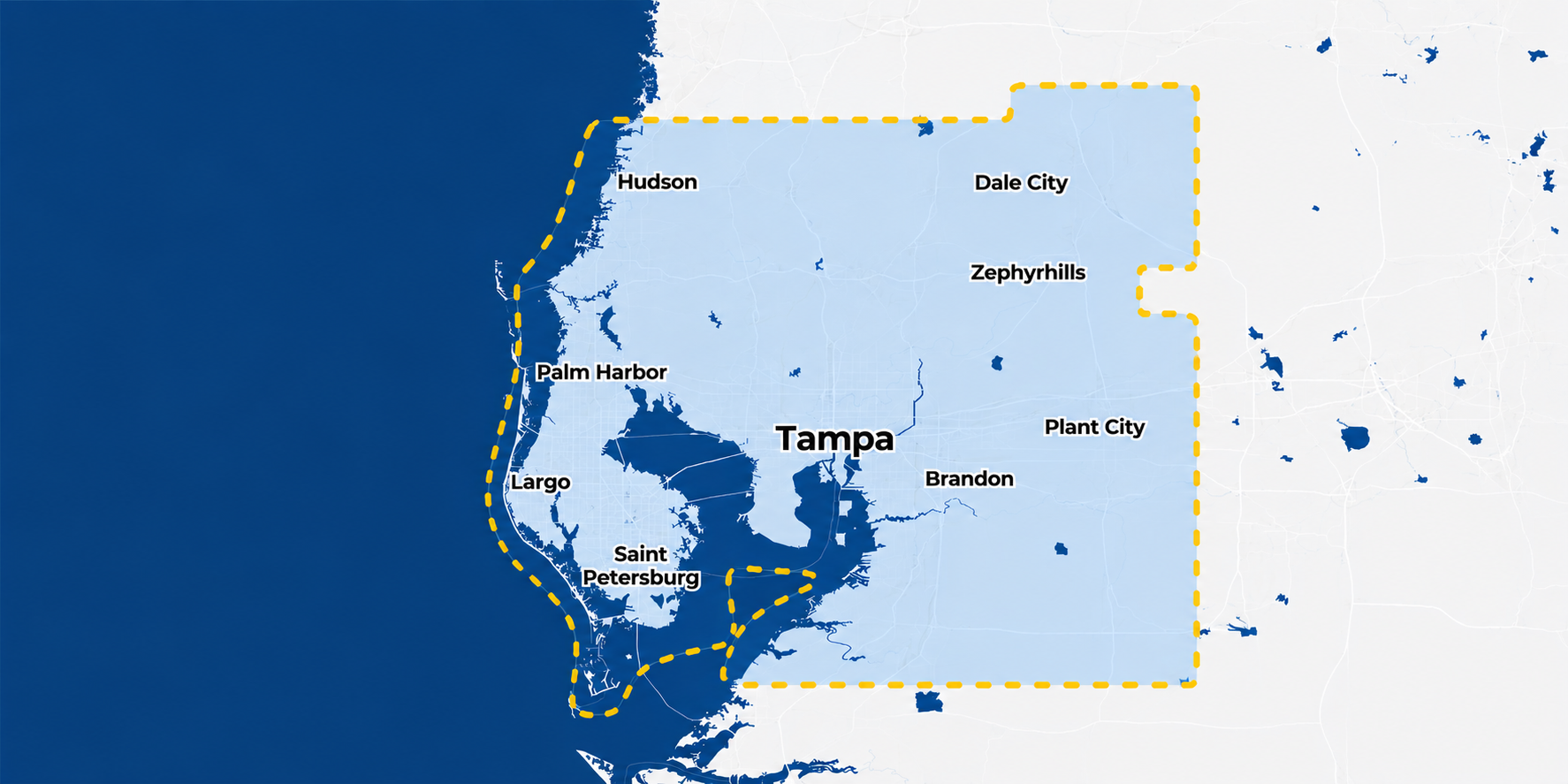
Hillsborough County
Tampa · Brandon · Carrollwood · Citrus Park · Apollo Beach · Bloomingdale · Lutz · Plant City · Town N Country · Temple Terrace · Mango · Keystone · Lake Magdalene · Northdale · Seffner · Thonotosassa
Pinellas County
St. Petersburg · Clearwater · Largo · Palm Harbor · Dunedin · Seminole · Tarpon Springs · Safety Harbor · Pinellas Park · Belleair · St. Pete Beach
Pasco County
Wesley Chapel · Land O' Lakes · New Port Richey · Trinity · Hudson · Odessa · Zephyrhills · Dade City · Port Richey · Holiday
We cover three counties across the Tampa Bay area. If you don't see your city listed, call us; chances are we go there too.
Hillsborough County
Pinellas County
Pasco County
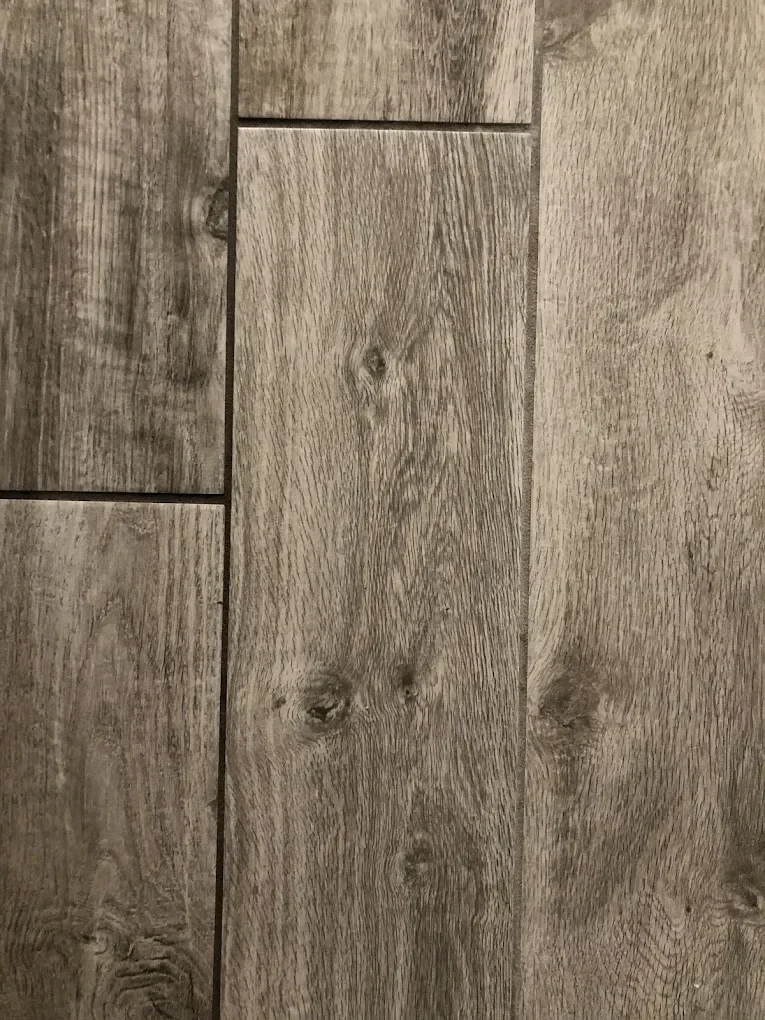
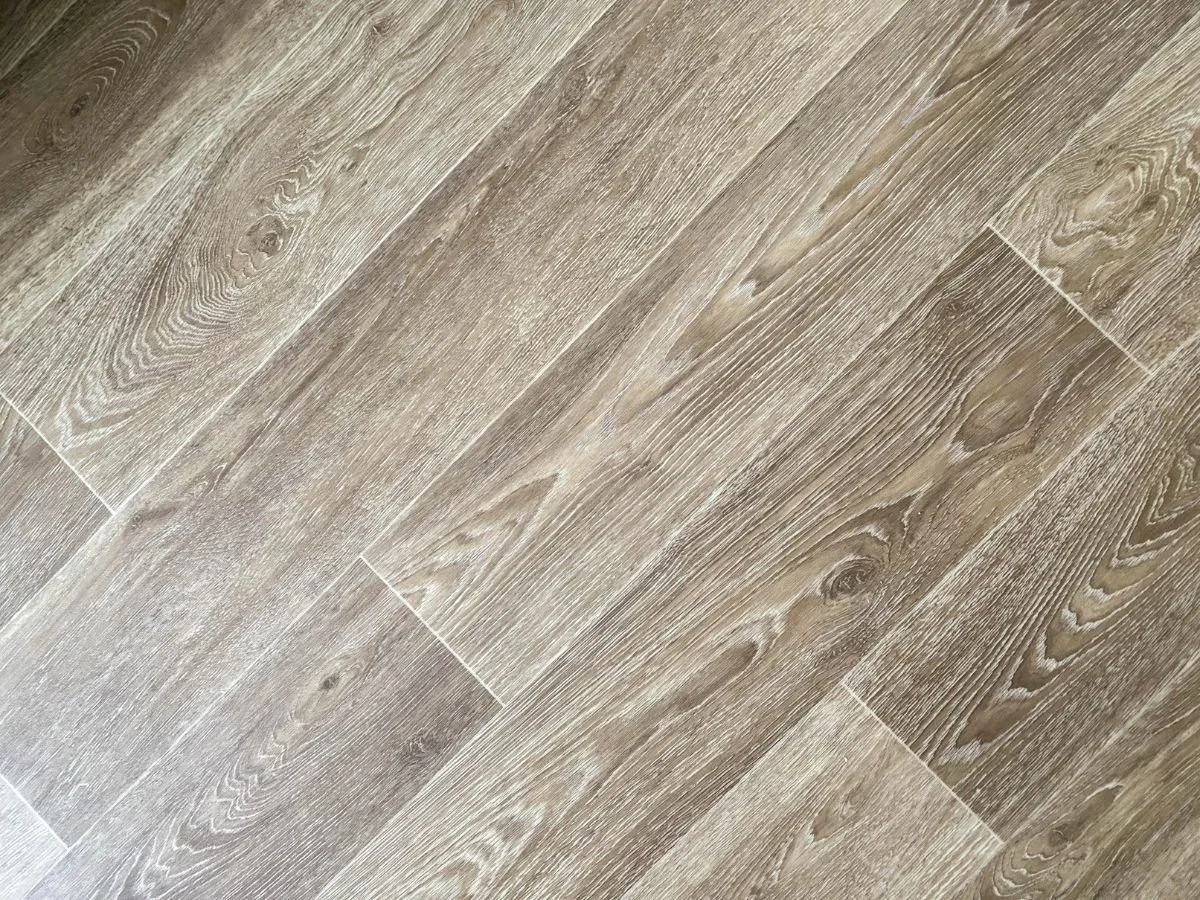
Our Reviews
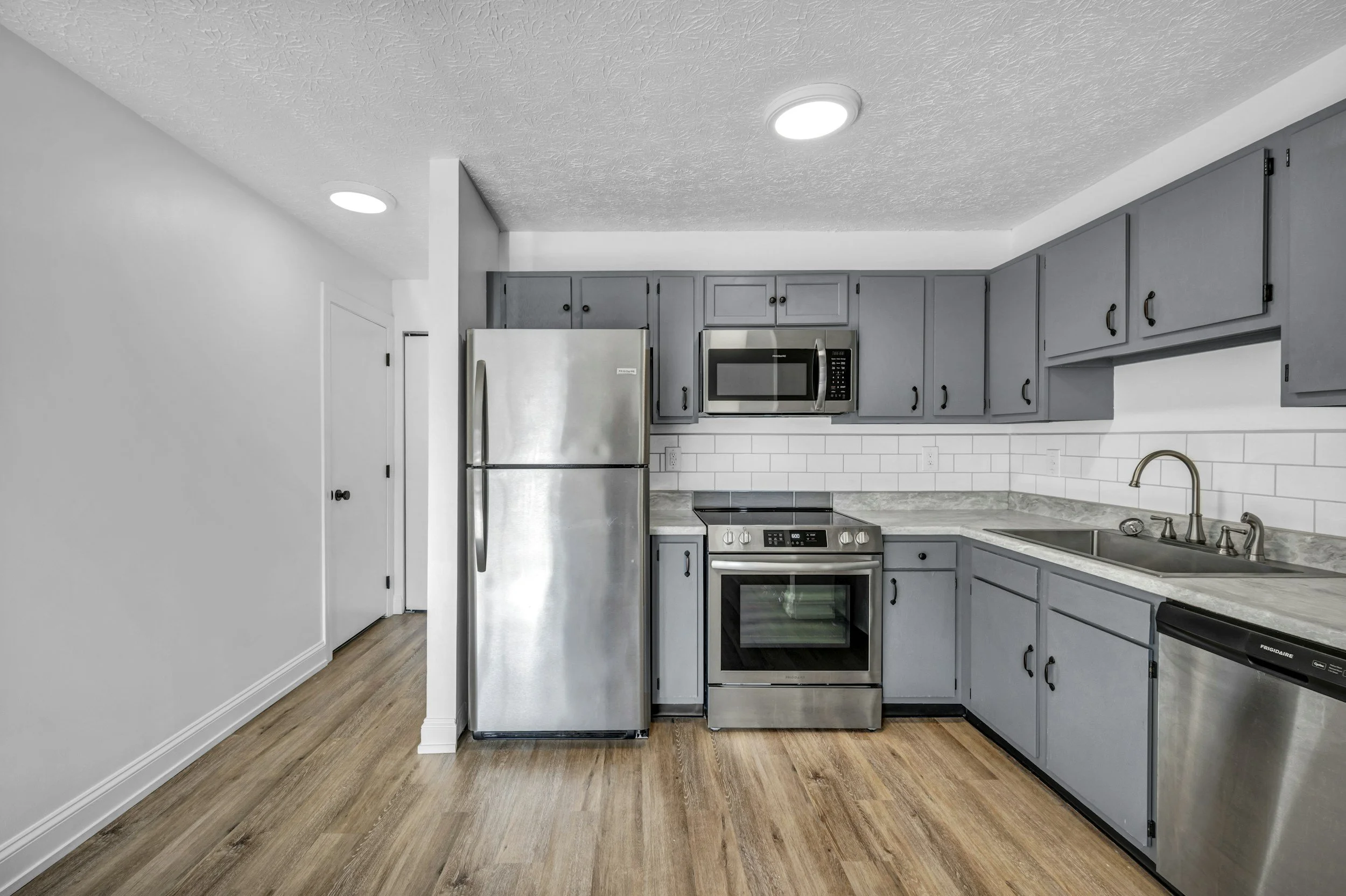
What is LVT?
LVT stands for luxury vinyl tile. LVP is luxury vinyl plank. Both are the same material category, just in different shapes and installation patterns. In practice, most people use the terms interchangeably, and so do we.
Modern LVT is a multi-layer flooring product with a printed decorative image, a clear wear layer that protects the surface, and a rigid or flexible core underneath. The result is a floor that looks like real wood, real stone, or real tile, but installs faster, costs less, and holds up better in Florida conditions.
What LVT is not: it isn't the same as older vinyl sheet flooring, laminate, or engineered hardwood. Each of those needs different cleaning. LVT gets its own approach.

Types of LVT We Clean
We work on every category of luxury vinyl currently installed in Tampa Bay homes and businesses.
-
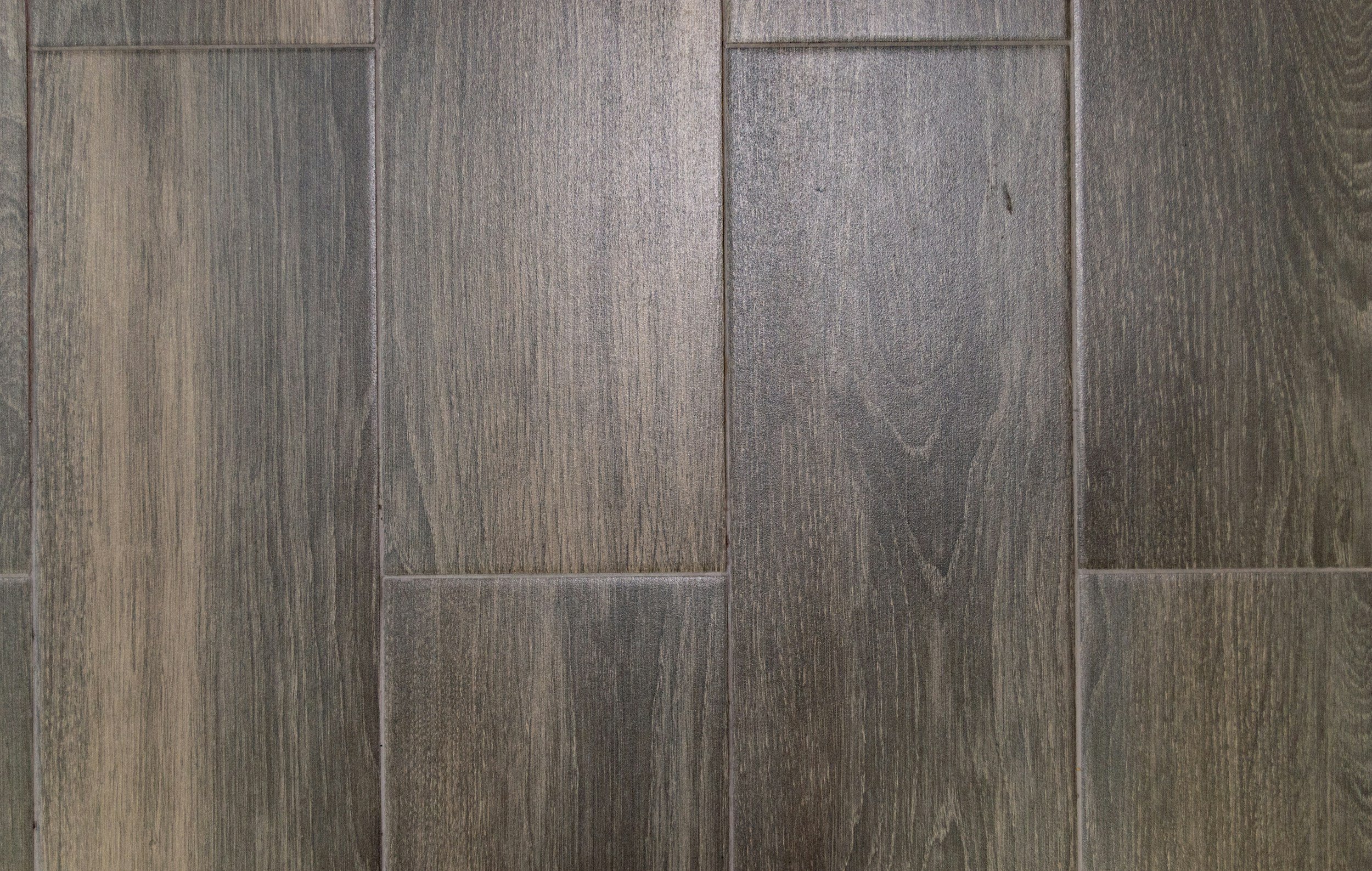
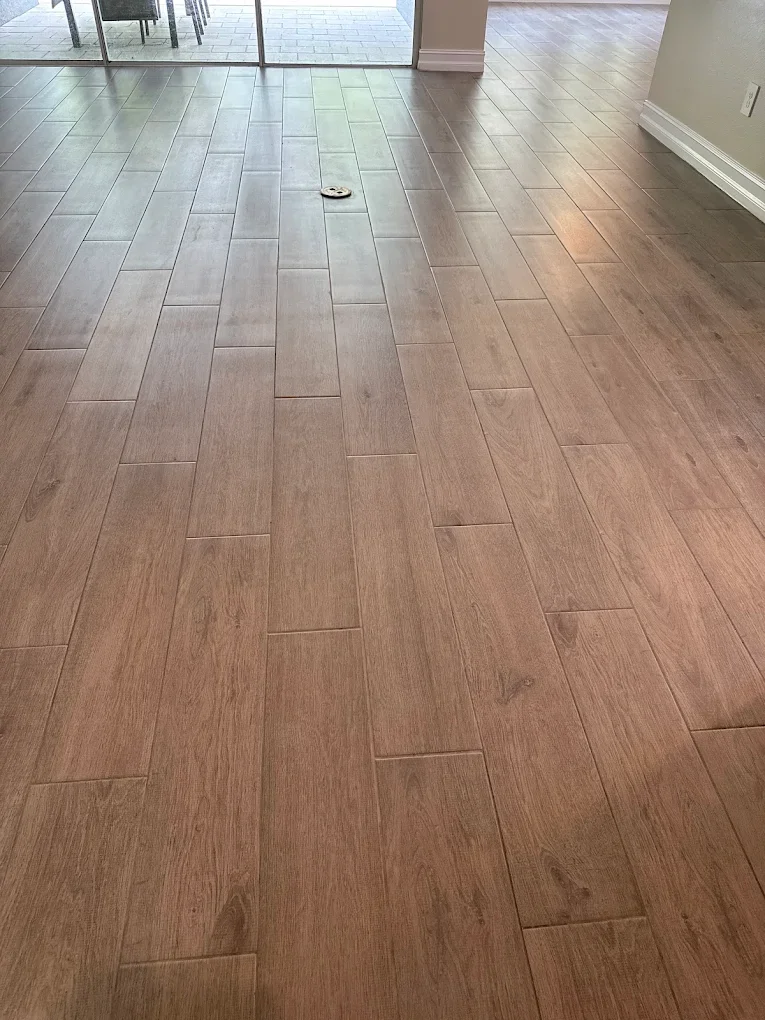
The most common style. Long narrow planks printed to look like oak, walnut, hickory, or reclaimed barnwood. Popular in newer builds and remodels because it delivers a hardwood look at a fraction of the cost.
-
Square or rectangular tiles printed to look like travertine, marble, slate, or limestone. Common in bathrooms, kitchens, and entryways where a stone look is wanted but real stone isn't practical.
-
LVT designed to look like ceramic or porcelain tile. Sometimes installed with grout lines for an even more authentic look.
-
A modern industrial style, printed to look like polished concrete. Common in newer condo builds and open-plan homes.
-
Stone Plastic Composite. The stiff, waterproof version. Common in newer installations because it handles subfloor imperfections and moisture better than flexible LVT.
-
Slightly softer, warmer underfoot, still waterproof. Common in residential main-living areas.
-
We clean both. Click-lock floors are floating installations that snap together. Glue-down floors are adhered directly to the subfloor. The cleaning process is the same either way, but glue-down floors handle slightly more moisture during cleaning without issue.
-
Some LVT is installed with actual grout lines (or grout-look filler) for a more authentic tile appearance. Grout in these installs needs the same care as real tile grout. We handle it.
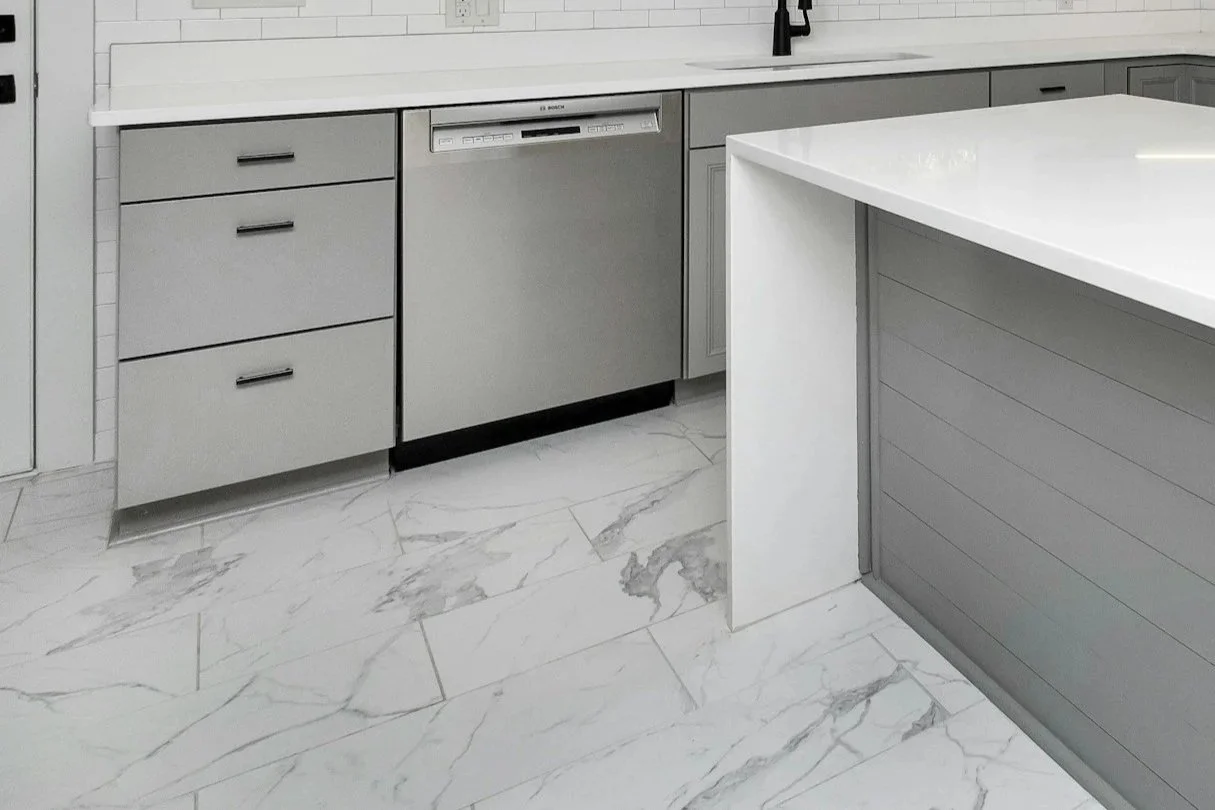
Signs Your LVT Needs Professional Cleaning
Most Tampa LVT floors reach a point where mopping isn't fixing it anymore. Here's what usually brings customers to us.
The floor looks dull no matter how much you clean it. The wear layer has picked up a film from harsh cleaners, wax buildup, or old residue that regular mopping just spreads around. Deep cleaning strips the film and restores the finish.
Grout lines (on grouted LVT) are darkening. Standard tile grout behavior, but happens on grouted LVT installs too. Deep cleaning and optionally color sealing restores the look.
-
Wear patterns show in traffic areas. Kitchen entries, hallways, and in front of the sink darken first. Professional cleaning pulls out embedded soil that daily mopping just moves around.
Scratches, gouges, or dents from furniture or pets. LVT is durable but not indestructible. We repair localized damage without replacing the whole floor.
Water damage or lifting at seams. Overexposure to moisture or a plumbing leak can lift LVT at seams or edges. We assess whether it's repairable or needs plank replacement.
Dull, hazy, or cloudy finish. Common with LVT that's been mopped with dish soap, vinegar, or hardwood-floor cleaner. All three degrade the wear layer over time. Deep cleaning restores clarity.
Sticky or streaky floors even after cleaning. Buildup from wrong cleaners. Professional stripping removes it.
New home or newly-installed LVT that's already looking worn. Sometimes installer debris or construction dust gets embedded before the homeowner even moves in. First-clean gets it started right.
Our LVT Cleaning Services
Most jobs combine two or three of these services. We'll recommend what your LVT actually needs during the walkthrough.
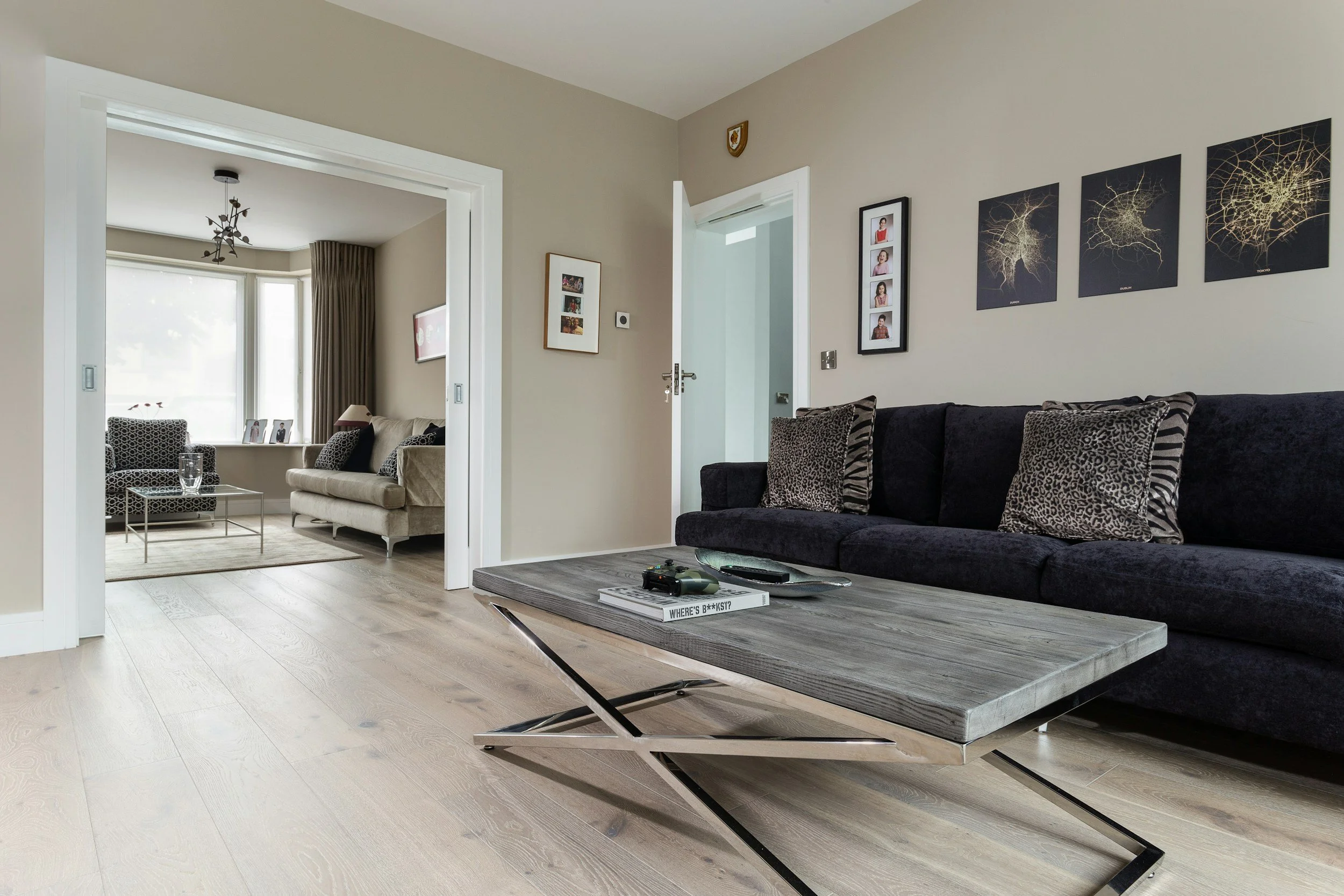
What NOT to Do to Your LVT
The wrong care shortens LVT lifespan by years. If you're doing any of these, stop.
Don't use a steam mop. High-heat steam degrades the wear layer, damages the printed image layer, and can void your manufacturer warranty. This is the single most common LVT mistake.
Don't use vinegar-based cleaners. Vinegar is acidic. Over time it eats away the wear layer and dulls the finish.
Don't use hardwood floor cleaners on LVT. They're formulated for real wood and can leave residue or damage the LVT finish.
Don't use dish soap. It leaves a film that attracts dirt and creates a sticky finish that just gets worse.
Don't use bleach or ammonia. Both are strongly alkaline and will degrade the wear layer, causing discoloration and cracking.
Don't use wax. Modern LVT already has a wear layer built in. Adding wax just creates buildup that eventually needs to be professionally stripped.
Don't use abrasive scrubbing pads. Scratches the wear layer permanently.
What to use instead: manufacturer-approved LVT cleaner or a pH-neutral floor cleaner. Damp mop only. Dry the floor after cleaning. That's it.
Our LVT Cleaning Process
We keep it simple and safe for your floor. Here's how a typical LVT job goes.
-
Most quotes happen in five minutes over the phone. Larger jobs or LVT with restoration needs get a free in-person walkthrough.
-
We confirm the appointment the day before with an arrival window.
-
Your tech identifies the LVT type, checks the wear layer, and picks the right method for your specific floor.
-
Thorough vacuum with soft-brush attachment removes surface debris.
-
pH-neutral pretreatment for embedded soil, grease, and stains. Different chemistry than we use on tile or carpet.
-
Rotary or bonnet method with LVT-safe cleaning solution. No steam, no saturation, no pooling water. Grouted installations get additional grout-line detail work.
-
Excess moisture is extracted so the floor dries quickly and cleanly.
-
We show you the result, explain care instructions, and answer questions.
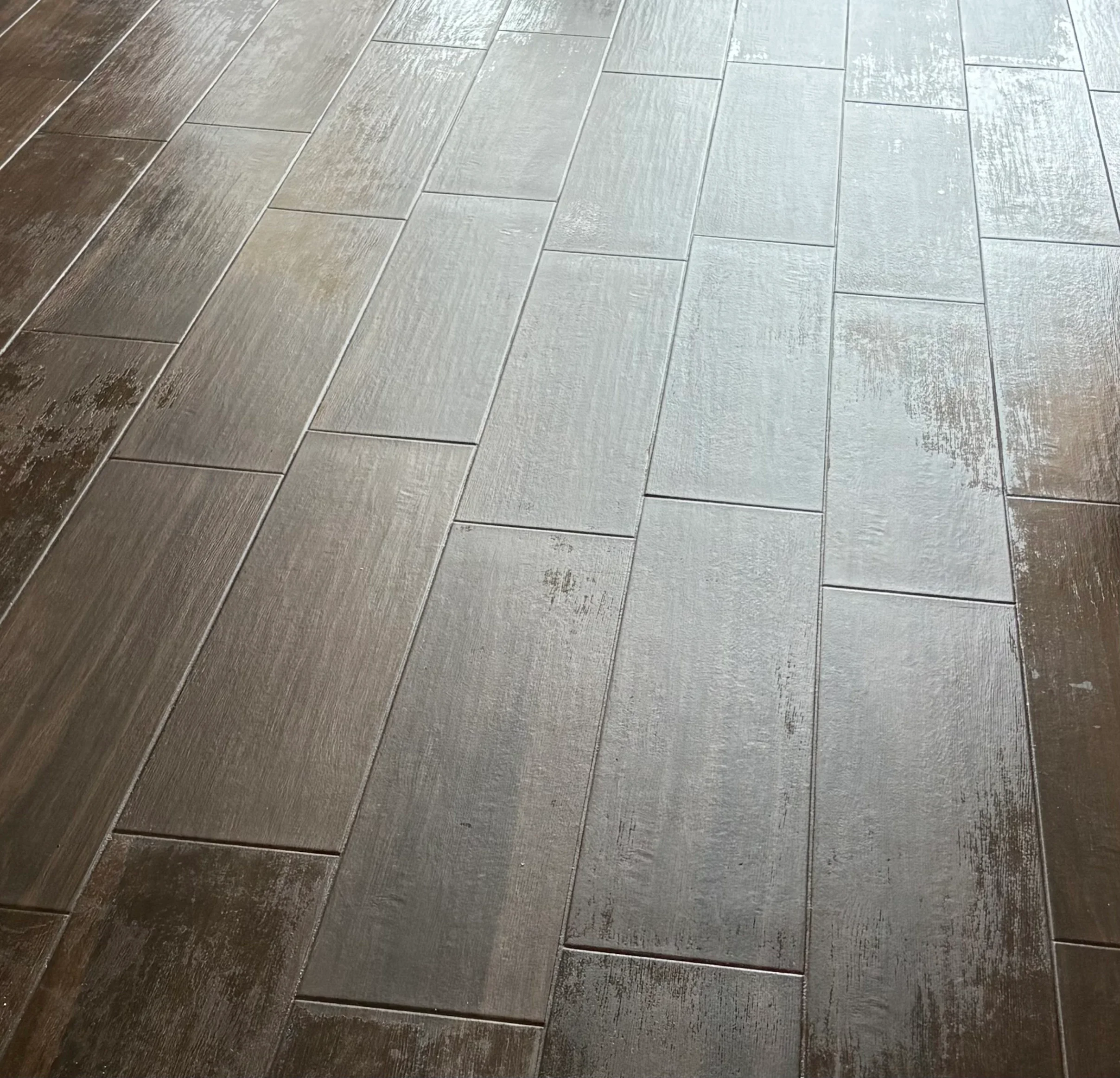
Before
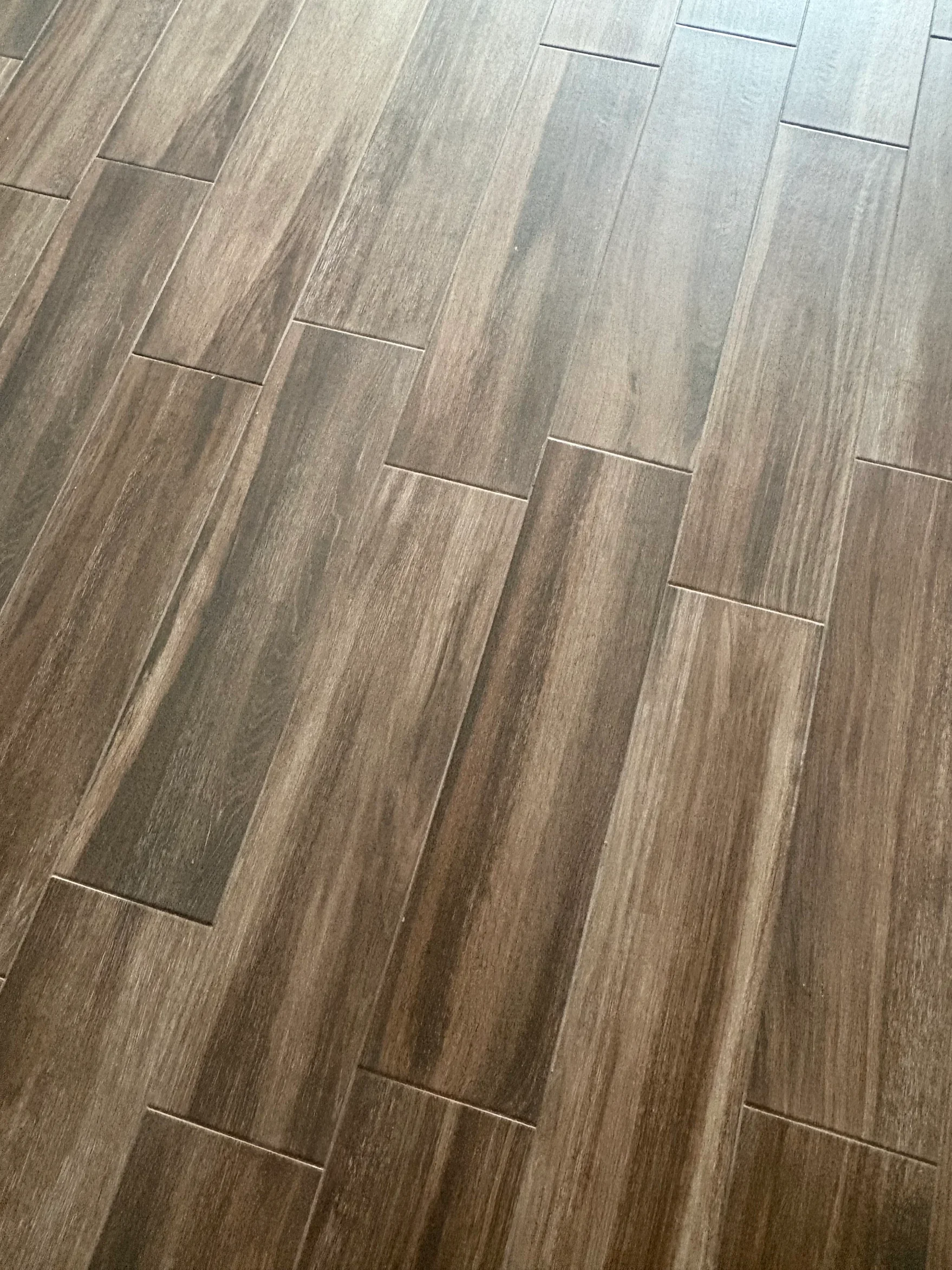
After
LVT Cleaning vs. Replacement
Homeowners often reach for replacement when the real answer is professional cleaning.
When replacement makes sense:
Multiple planks are damaged beyond repair
Water damage has caused widespread lifting or warping
You want to change the floor style entirely
The wear layer has degraded to the printed image layer across large sections
When cleaning + restoration makes sense:
The floor looks tired but the wear layer is intact
A few planks are damaged (spot repair or replacement) and the rest is fine
You want the floor to look fresh without a major project
You're preparing to list or refresh the home
Cost difference: professional cleaning and restoration typically costs 5% to 15% of what LVT replacement would run. And the transformation can be dramatic.
Why Choose 3D Clean All for LVT Cleaning?
-

We Stay in Touch
Walk-throughs before, updates during, photos sent if you can't be home.
-

Pet- and Kid-Safe Products
Plant-based, pH-balanced, no harsh fumes. Safe to walk on the same day.
-

One Call, Multiple Surfaces
Most customers add stone, upholstery, or rugs to the same visit.
Frequently Asked Questions
-
LVT is luxury vinyl tile or plank, a multi-layer vinyl flooring product printed to look like wood, stone, or tile. It's not real wood or real tile, but it looks like it. Cleaning is different from either because the wear layer is sensitive to certain chemicals and to steam.
-
Tile uses high-pressure hot water extraction. LVT uses low-moisture methods with pH-neutral cleaners. Steam and hot water can damage LVT's wear layer and lift click-lock seams. Wrong method on the wrong floor can cause permanent damage.
-
No. This is the most common LVT mistake. High-heat steam degrades the wear layer, damages the printed image, and can void your manufacturer warranty. If you've been using a steam mop, stop now and have the floor professionally cleaned to reset it.
-
Every 12 to 18 months for family homes with kids or pets. Every 18 to 24 months for lower-traffic homes. Between professional cleanings, damp mop with pH-neutral cleaner only.
-
Yes. If your LVT was installed with grout lines, we clean the grout the same way we clean real tile grout. We can also color-seal grouted LVT to restore uniform color.
-
Often, yes. Localized damage can be repaired with color-matched fillers and sealers. For damage beyond repair, we can replace individual planks if you have extras from the original install.
-
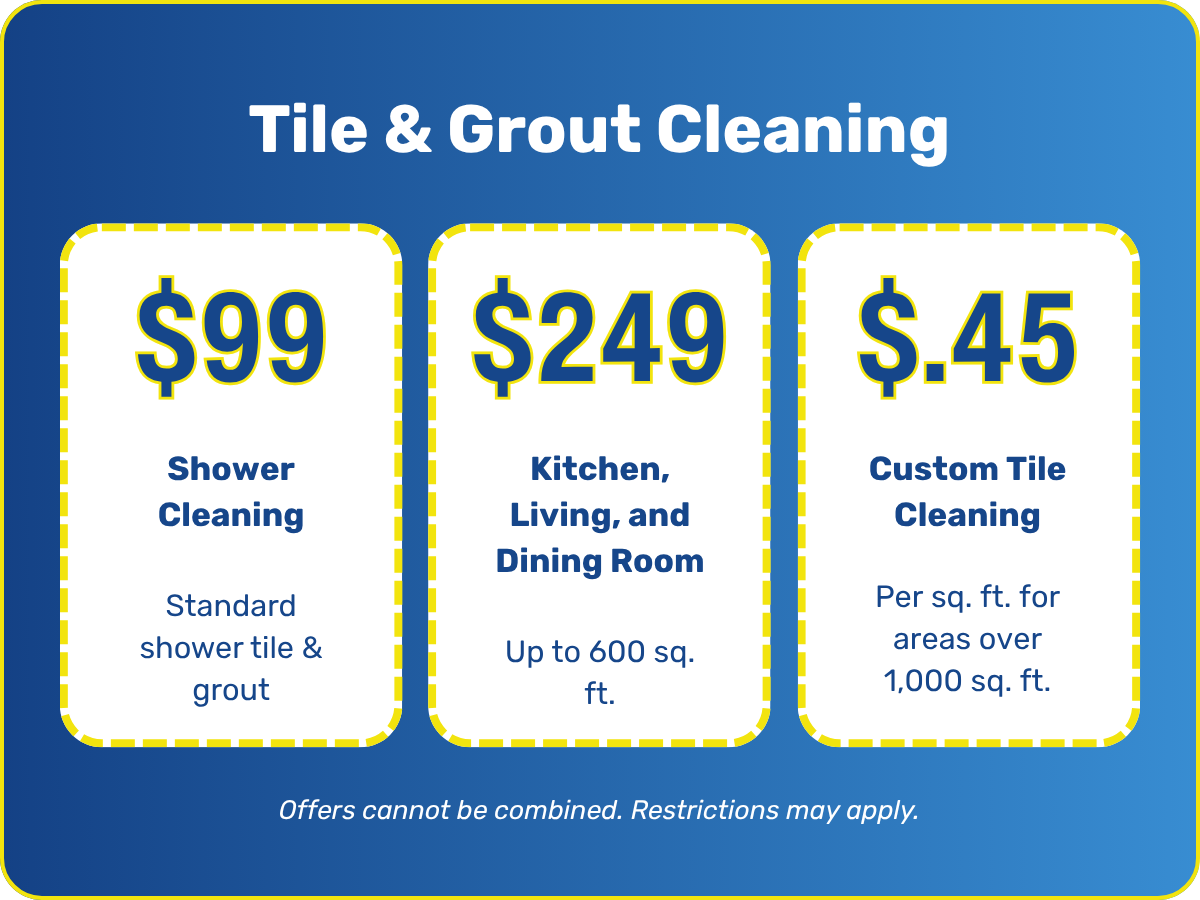
Basic deep cleaning starts around $150 to $300 for small areas. Whole-house cleaning $300 to $800. Restoration and repair priced separately. Firm quote before we start.
-
Most residential jobs take 1 to 3 hours. Restoration work with finish application takes longer, usually a half day. We give you exact timing for your job.
-
For maintenance cleaning between deep cleans, DIY with a pH-neutral cleaner and damp mop is fine. For actual deep cleaning that removes embedded soil, wax buildup, or wear layer damage, professional cleaning is dramatically more effective and preserves the floor.
-
Yes. Plant-based, pH-balanced, eco-friendly. Safe to walk on the same day.
-
Yes. We assess the extent of water damage, extract standing water, dry the subfloor, and restore or replace planks as needed. Post-flood LVT restoration is part of our 24/7 water damage service.